

What are Call Data Records (CDRs) and How Can They Help Your Business?
Call data records transform basic phone usage into actionable business intelligence. CDR telecom data provides real-time insights into customer behavior, operational efficiency, and compliance requirements.
- CDRs contain comprehensive call details, including timestamps, duration, caller information, and call outcomes.
- Small businesses leverage VoIP analytics for marketing optimization, customer service improvement, and cost management.
- Compliance applications include TCPA recordkeeping, fraud detection, and regulatory reporting requirements.
- CDR integrates with business tools for unified communication insights.
Modern SIP CDR data and VoIP analytics enable small businesses to optimize costs, detect fraud, meet regulatory obligations, and make data-driven decisions that drive growth.
Communication technology continues to advance, creating opportunities for businesses to modernize their infrastructure and gain advantages. SIP trunking is one such advancement, allowing voice, video, and messaging services over internet connections through virtual phone lines. This technology provides numerous benefits, including sophisticated data collection methods that generate detailed call data records (CDR) for every communication session.
CDRs are a valuable source of business intelligence. The information captured through CDR telecom systems enables organizations to track usage patterns, monitor performance metrics, detect fraudulent activity, and maintain compliance with evolving regulations. Advanced VoIP analytics transforms raw call data into actionable insights that drive operational improvements and strategic decision-making.
What Information Do Call Data Records Actually Contain?
A call data record is a comprehensive digital file containing detailed information about each communication session processed through a telephony system. These records capture essential call details, including source and destination numbers, timestamps, call duration, and technical parameters that occurred during voice calls, video conferences, or data sessions. Modern CDR telecom systems provide unprecedented visibility into corporate communication patterns and performance metrics.
Call data records are fundamental components of big data analytics strategies for organizations across industries. While billing represents one traditional application, today’s CDRs support diverse business functions including forecasting, trend analysis, strategic planning, accounting processes, and research initiatives. The near real-time availability of this data enables organizations to respond quickly to customer complaints, security threats, or operational issues as they emerge.
Core CDR Data Elements Every Business Should Understand
CDRs typically include caller identification and phone numbers for both originating and receiving parties. Date and timestamp information precisely records when calls occurred, while duration measurements track the length of each session. Call type specifications indicate whether communications were incoming, outgoing, voice-only, or multimedia sessions.
Call status information documents whether calls were successfully answered, missed, declined, or transferred to voicemail systems. Routing details capture technical information, including trunk group identifiers, circuit information, and pathway data that network administrators use for optimization and troubleshooting.
What Advanced Analytics Can Modern CDR Systems Provide?
SIP CDR data includes sophisticated quality metrics, such as jitter measurements, packet loss statistics, and Mean Opinion Score (MOS) ratings that quantify voice quality. Call termination cause codes explain why communications ended, whether through normal completion, busy signals, network errors, or user disconnection.
Enhanced systems capture metadata related to call recordings, including start times, duration, and storage locations. Call transcription metadata provides text conversion details and confidence levels for automated speech recognition systems. Advanced VoIP analytics platforms include sentiment analysis data and topic identification that help businesses understand content and customer satisfaction levels.
How Can Small Businesses Use Call Data Records for Growth?
Small businesses are a fast-growing segment of CDR telecom adoption, leveraging call analytics to compete more effectively with larger organizations. Modern VoIP analytics provide small companies with enterprise-grade insights previously available only to large corporations with substantial technology budgets.

What Customer Service Insights Do CDRs Provide Small Businesses?
Small businesses use call data records to identify peak calling periods and adjust staffing levels accordingly. CDR analysis reveals average hold times, call resolution rates, and customer callback patterns that inform service improvement strategies. Businesses can track which phone numbers generate the highest customer satisfaction scores and route calls to top-performing representatives.
Marketing campaign tracking becomes more sophisticated through CDR analysis. Small businesses assign unique phone numbers to different advertising campaigns, enabling precise measurement of which marketing channels generate qualified leads. This granular tracking helps optimize advertising spend and identify the most effective customer acquisition strategies.
How Do Small Businesses Improve Operations Using VoIP Analytics?
Small businesses utilize VoIP analytics to track employee productivity and pinpoint areas for training. Call duration analysis reveals which team members handle customer inquiries most efficiently, while call frequency data helps optimize territory assignments for sales teams. This performance visibility enables data-driven decisions about resource allocation and process improvements.
Cost management is another critical application for small business CDR analysis. Organizations can identify expensive calling patterns, optimize long-distance usage, and negotiate better rates with telecom providers based on actual usage data. Real-time monitoring prevents toll fraud and unauthorized international calling that could result in unexpected charges.
CDR Use Cases: Hypothetical Small Business Scenarios
Scenario 1: Law Firm Call Pattern Analysis: A regional law firm implements CDR analysis to track client communication patterns and discovers that 60% of new client inquiries occur outside traditional business hours. This insight leads to extended reception hours and a 35% increase in new client conversions within six months.
Scenario 2: Manufacturing Customer Service Optimization: A small manufacturing company uses VoIP analytics to monitor customer service call resolution times and identifies specific product lines generating excessive support requests. The CDR reveals quality issues that lead to improved manufacturing processes and reduced support costs by 40% over 12 months.
These examples illustrate how businesses can leverage call data records for operational improvements, though actual results will vary based on specific circumstances and implementation strategies.
What Compliance Requirements Do Call Data Records Address?
Regulatory compliance is an important application for CDRs as government agencies expand oversight of business communications. Understanding current compliance requirements helps organizations avoid penalties and maintain operational continuity.
What Federal Compliance Standards Require CDR Documentation?
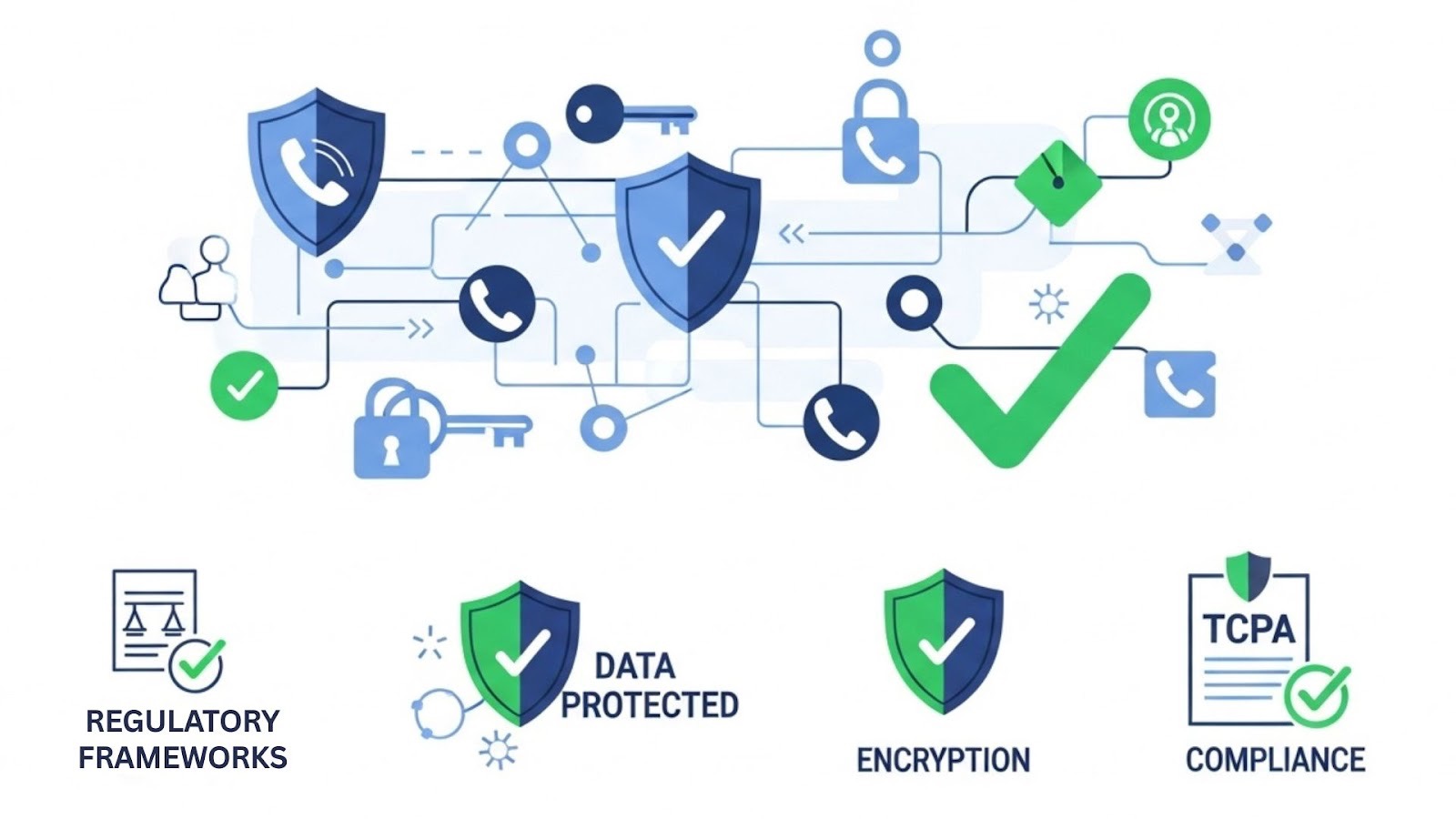
The Federal Trade Commission’s updated Telemarketing Sales Rule requires businesses to maintain detailed call records for five years. These records must include dates, times, call durations, outcomes, and detailed documentation of marketing activities. CDR telecom systems provide automated compliance with these recordkeeping requirements.
The Telephone Consumer Protection Act (TCPA) mandates strict consent documentation and call monitoring for organizations engaged in telemarketing activities. Modern SIP CDR data helps businesses demonstrate compliance with consent requirements and provides evidence of proper calling practices during regulatory investigations.
How Do Industry-Specific Regulations Impact CDR Requirements?
Healthcare organizations must comply with HIPAA requirements for patient communication records. CDR systems provide detailed audit trails for patient calls while maintaining privacy protections through encrypted storage and access controls. These records support compliance audits and help healthcare providers demonstrate proper handling of protected health information.
Financial services organizations use call data records to comply with regulatory reporting requirements and fraud prevention mandates. Banking institutions leverage VoIP analytics to monitor customer communication patterns and identify potentially fraudulent activities that require investigation or reporting to regulatory authorities.
What Data Retention and Security Measures Are Required?
Businesses must implement secure storage and access controls for call data records. Encryption during data transmission and storage protects sensitive information, while role-based access controls ensure only authorized personnel can view telecom data. Regular compliance audits use these records to verify adherence to industry regulations and internal policies.
How Do VoIP Analytics Drive Business Intelligence?
The evolution from traditional telephony to internet-based communications has transformed call data records from simple billing tools into sophisticated business intelligence platforms. VoIP analytics help organizations extract valuable insights that drive strategic decision-making and operational improvements.
What Advanced Analytics Capabilities Do Modern Systems Offer?
VoIP analytics can process CDRs in real time to provide immediate visibility into communication patterns and performance metrics. Machine learning algorithms analyze calling trends, predict capacity requirements, and identify anomalies that may indicate technical issues or security threats.
Predictive analytics uses historical telecom data to forecast future communication needs and optimize resource allocation. These insights help businesses plan for seasonal fluctuations, growth periods, or special events that may impact communication volumes.

How Does SIP CDR Data Integrate with Business Systems?
SIP CDR data integrates seamlessly with customer relationship management (CRM) systems to provide comprehensive histories. This integration enables sales teams to track communication frequency, identify engagement patterns, and optimize follow-up strategies based on actual calling data.
Business intelligence platforms combine call data records with other operational metrics to create comprehensive performance dashboards. These integrated views help management teams understand the relationship between communication activities and business outcomes, such as sales conversion rates, customer satisfaction scores, and operational efficiency metrics.
What Security Benefits Do CDRs Provide?
Security is a critical application for modern call data records as organizations face increasing threats from telecommunications fraud and cyberattacks. Understanding security capabilities helps businesses protect their communication infrastructure and financial assets.
How Do CDRs Detect and Prevent Toll Fraud?
International toll fraud is a significant threat to organizations with internet-based communication systems. CDR analysis provides real-time monitoring of calling patterns to identify unusual calling activity that may indicate compromised systems or unauthorized access.
Advanced fraud detection algorithms analyze calling patterns, destinations, and timing to identify potentially fraudulent activity before significant charges accumulate. Automated response systems can immediately suspend calling privileges and alert security personnel when suspicious patterns are detected.
What Access Controls Protect CDR Data?
Modern SIP CDR data systems implement comprehensive access controls that ensure only authorized personnel can view sensitive communication records. Role-based permissions restrict access to specific data elements based on job functions and security clearance levels.
Encryption protocols protect call data records during transmission and storage to prevent unauthorized access to sensitive business communications. These security measures help organizations maintain customer privacy and comply with data protection regulations.
What Features Should Businesses Look for in CDR-Enabled Systems?
Selecting a communication platform requires understanding how different systems collect, store, and analyze call data records. Evaluating CDR capabilities helps organizations choose solutions that support current needs while providing flexibility for future growth.
What CDR Features Are Essential for Business Success?
Comprehensive data collection ensures that your system captures all relevant call information, including quality metrics, routing details, and integration data for business applications. Real-time data availability enables immediate response to issues and supports proactive management of communication systems.
Key features businesses should prioritize include:
- Robust Control Panel – Easy account management and CDR access through user-friendly interfaces
- Comprehensive DID Coverage – Large database of available phone numbers for tracking campaigns
- Bring-Your-Own-Bandwidth – Flexibility to maintain existing internet provider relationships
- International Toll Fraud Protection – Proactive monitoring and automated response systems
- Simple Pricing Structure – Transparent, predictable costs without hidden fees
- Nomadic e911 Services – Emergency calling capabilities from any location
- Fast System Integration – Quick setup with existing PBX systems and telephony applications
- Tier-1 Network Redundancy – Reliable infrastructure for consistent performance
- Fault-Tolerant Routing – Automatic failover capabilities for business continuity
- No-Obligation Trials – Risk-free evaluation periods to test system compatibility

How Important Is Integration and Compatibility?
Modern business environments require communication systems that integrate with existing business tools, including CRM platforms, help desk systems, and business intelligence apps. API availability and data export capabilities enable organizations to incorporate telecom data into existing workflows and analysis processes.
Compatibility with current technology infrastructure ensures smooth implementation and reduces integration costs. Organizations should evaluate network requirements, security protocols, and technical support when comparing communication platforms.
How Can Businesses Maximize CDR Analytics Value?
Organizations achieve maximum value from CDR telecom investments by developing comprehensive analysis strategies that align with business objectives and operational requirements. Understanding best practices helps businesses extract actionable insights and measure the impact of communication improvements.
What Key Performance Indicators Should Businesses Track?
Effective CDR analysis focuses on metrics that directly relate to business outcomes, such as customer satisfaction, sales conversion rates, and operational efficiency measures. Organizations should establish baseline measurements and track improvement over time to demonstrate the value of communication investments.
Cost per call, average handling time, and first-call resolution rates provide insights into operational efficiency and customer experience quality. These metrics help organizations identify improvement opportunities and measure the effectiveness of process changes and staff training programs.
How Can Businesses Implement Continuous Improvement?
Regularly reviewing VoIP analytics helps organizations identify trends, seasonal patterns, and emerging issues that require attention. Monthly or quarterly reviews of CDR metrics help businesses stay ahead of problems and proactively optimize communication processes.
Benchmarking against industry standards and competitor performance provides context for internal metrics and helps organizations set realistic improvement targets. External benchmarking also identifies best practices that can be adapted to specific organizational needs and constraints.
Frequently Asked Questions
What types of businesses benefit most from CDR analysis? Organizations with high call volumes, complex customer service requirements, or strict compliance obligations typically gain the most value from CDR telecom analysis. This includes call centers, healthcare providers, financial services firms, and professional services organizations.
How long should businesses retain call data records? Retention requirements vary by industry and regulatory environment. Most businesses should retain CDRs for at least one year for operational analysis, while regulated industries may require five years or longer for compliance purposes.
Can small businesses afford advanced CDR analytics platforms? Modern cloud-based VoIP solutions offer scalable pricing that makes advanced CDR capabilities accessible to small businesses. Many platforms provide basic analytics features at minimal cost with options to upgrade as needs grow.
What security measures protect sensitive information in call data records? Comprehensive security includes encryption during transmission and storage, role-based access controls, audit logging, and compliance with industry privacy regulations. Reputable providers implement multiple security layers to protect sensitive communication data.
Transform Your Business Communications with Advanced CDR Analytics
Call data records are a powerful tool for modern businesses seeking to optimize their communication and improve operational efficiency. The sophisticated insights available through telecom analysis enable organizations to make data-driven decisions that reduce costs, enhance customer satisfaction, and support sustainable growth.
SIP.US provides advanced communication solutions with comprehensive CDR capabilities that enable businesses to maximize their investments. Our platform delivers real-time analytics, robust security features, and seamless integration with existing business systems to support your organization’s growth and success. Get started today to discover how advanced CDR analytics can transform your business communications.

Mitch leads the Sales team at BCM One, overseeing revenue growth through cloud voice services across brands like SIPTRUNK, SIP.US, and Flowroute. With a focus on partner enablement and customer success, he helps businesses identify the right communication solutions within BCM One’s extensive portfolio. Mitch brings years of experience in channel sales and cloud-based telecom to every conversation.
Free SIP Trunk in 60 Seconds
Related Posts

Bulk SMS for Business: How It Works + SIP Integration Use Cases
Bulk SMS for business has become the highest-engagement communication channel available to SMBs, and pairing…

What is VoIP? A Complete Guide to Voice Over IP for Business
Voice over Internet Protocol (VoIP) is a technology that transmits phone calls as digital data…
SIP Gateway Explained: How It Works, Business Use Cases, and Setup
A SIP gateway converts signals from legacy phone hardware into the digital packets that travel…