
Ghost Calls in SIP: Should You Be Worried?
Ghost calls in SIP systems have evolved into sophisticated security threats that can compromise business networks and drain financial resources through fraud schemes.
- SIP administrators need updated prevention strategies, including non-standard port configurations, advanced authentication protocols, and continuous monitoring systems.
- AI-driven attacks now target remote work vulnerabilities, with 74% of IT leaders identifying AI-powered cyber threats as security challenges.
- The average data breach costs $4.4 million, making proactive VoIP security essential for business continuity.
- Modern enterprise security requires encryption protocols, session border controllers, and behavioral analytics to detect sophisticated attack patterns
Organizations implementing comprehensive SIP security controls and partnering with security-focused providers can protect against evolving ghost call threats while leveraging VoIP technology benefits.
Ghost calls targeting SIP systems are critical security threats that can compromise business networks, enable toll fraud, and disrupt operations. VoIP systems face various threats, including call tampering, eavesdropping, and denial of service attacks, with phantom calls serving as reconnaissance for sophisticated breaches. Business leaders must recognize that these ghost communications often precede damaging incidents, including unauthorized international calling and network infiltration.
The average cost of a data breach reached $4.4 million. Beyond financial losses, operational disruption from compromised communication systems can paralyze business functions for weeks while security teams restore functionality and implement proper protections.
What Are Ghost Calls in SIP Phone Systems?
Ghost calls in SIP communication are unauthorized connection attempts targeting VoIP systems through automated scanning tools that probe internet-connected PBX infrastructure for vulnerabilities. Unlike prank calls, SIP ghost calls are actually reconnaissance missions designed to map networks and identify security weaknesses for subsequent exploitation.
SIP-enabled PBX systems targeted by phantom calls typically display unusual caller ID information, such as three- or four-digit numbers (100, 1000, 1001) that don’t correspond to legitimate phone numbers. These fake identifiers serve as signatures indicating automated attack tools rather than human callers, with silent connections occurring because scanning software initiates connections without communication content.
The technical mechanism involves sending malformed SIP INVITE messages to test system responses, determine authentication requirements, and identify available extensions or attack vectors. Modern campaigns employ distributed networks of compromised systems to avoid detection while targeting standard port 5060 and alternative configurations through scanning tools.
How Do Ghost Calls Exploit SIP Infrastructure?
SIP ghost calls exploit fundamental protocol characteristics through systematic reconnaissance that begins with automated port scanning across internet infrastructure. SIP protocol vulnerabilities enable attackers to extract system configuration details, supported authentication methods, and available extensions through carefully crafted messages designed to elicit revealing responses.
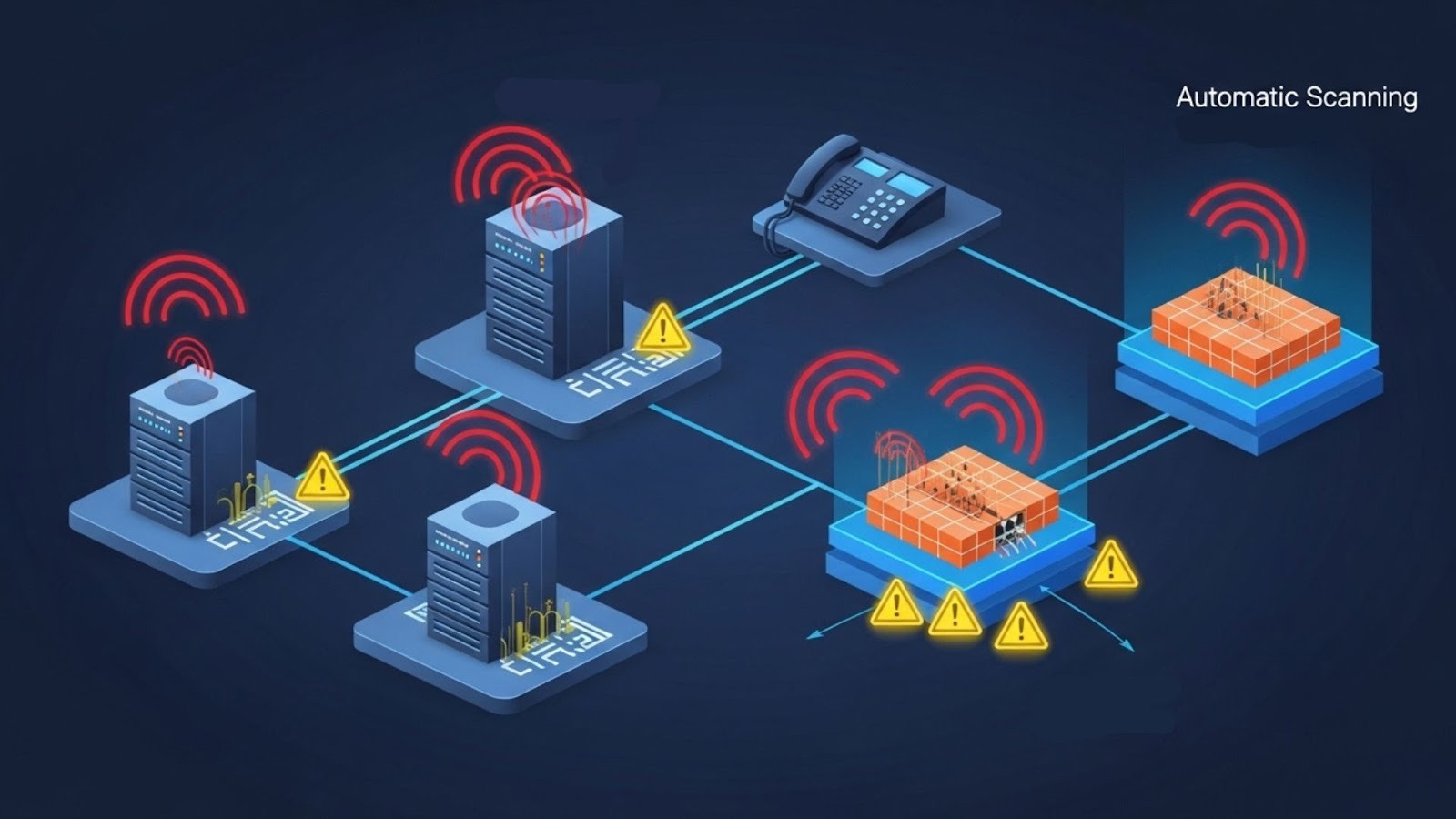
Advanced tools employ fingerprinting techniques to identify specific PBX software, firmware versions, and configuration weaknesses. This intelligence enables targeted exploitation using tools tailored to each system type. Session hijacking is an evolved attack where successful reconnaissance leads to interception attempts on legitimate communications, potentially accessing sensitive conversations or redirecting calls to premium-rate numbers.
What Factors Impact VoIP Security Threats?
A survey revealed that 74% of IT leaders identify AI-powered cyber threats as security challenges. Artificial intelligence now enables automated systems to adapt techniques based on target responses, bypassing traditional security measures with unprecedented effectiveness through machine learning algorithms that improve attack success rates.
Remote work has exponentially expanded attack surfaces as employees connect through inadequately secured home internet connections. Cloud-based PBX systems face unique multi-tenant environment risks where attackers use ghost calls to identify shared infrastructure components and pivot between customer environments within hosting platforms.
Compromised hardware or firmware from VoIP equipment manufacturers has become a growing concern, as attackers can embed hidden vulnerabilities that bypass traditional safeguards. To maintain strong VoIP security, organizations should validate the integrity of their entire communication stack—from endpoint devices to core network systems—ensuring every component is verified and protected against tampering.
Top 8 SIP Ghost Call Prevention Strategies
Protecting your SIP infrastructure requires proactive defenses that stop ghost calls before they disrupt your operations. By strengthening configurations, controlling access, and keeping your systems current, you can minimize vulnerabilities and maintain reliable, secure communication across your business. The following strategies outline practical, proven steps every administrator should implement to enhance VoIP security and reduce exposure to automated attacks.
- Deploy Non-Standard Port Configurations: Changing SIP signaling from the default port 5060 reduces exposure to automated scanning tools. Use a non-standard port for your SIP traffic if your provider supports it, helping to conceal your system from common attack paths.
- Implement IP Address Restrictions: Limit SIP access to known, trusted locations, such as your office network or authorized remote users. By allowing only verified IP addresses, you prevent unauthorized connection attempts while maintaining access for legitimate traffic.
- Enable Multi-Factor Authentication (MFA): Strengthen account security by combining passwords with additional verification steps. MFA protects against unauthorized access even if credentials are compromised, providing an essential safeguard for all administrative accounts.
- Configure Session Border Controllers (SBCs): SBCs act as purpose-built VoIP firewalls that inspect SIP traffic, detect threats, and filter out ghost call activity. They help preserve call quality and ensure legitimate communication continues without interruption.
- Establish Advanced Firewall Rules: Configure your firewalls to recognize SIP traffic patterns, apply rate limits, and block connections from high-risk regions. Modern firewalls can analyze SIP messages to detect and stop malicious connection attempts before they reach your PBX.
- Deploy Comprehensive Monitoring: Regularly review call logs and monitor for unusual patterns, such as high-volume activity during off-hours or repeated calls from unfamiliar numbers. Automated alerts help administrators quickly detect and respond to issues.
- Maintain Current Security Updates: Keep your PBX software, firmware, and connected devices fully updated. Regular patches close vulnerabilities that attackers exploit, ensuring your SIP environment remains protected against emerging threats.
- Implement End-to-End Encryption: Use TLS for SIP signaling and SRTP for media streams to safeguard your communications. Encryption prevents eavesdropping and tampering, even if attackers gain partial access to your network.
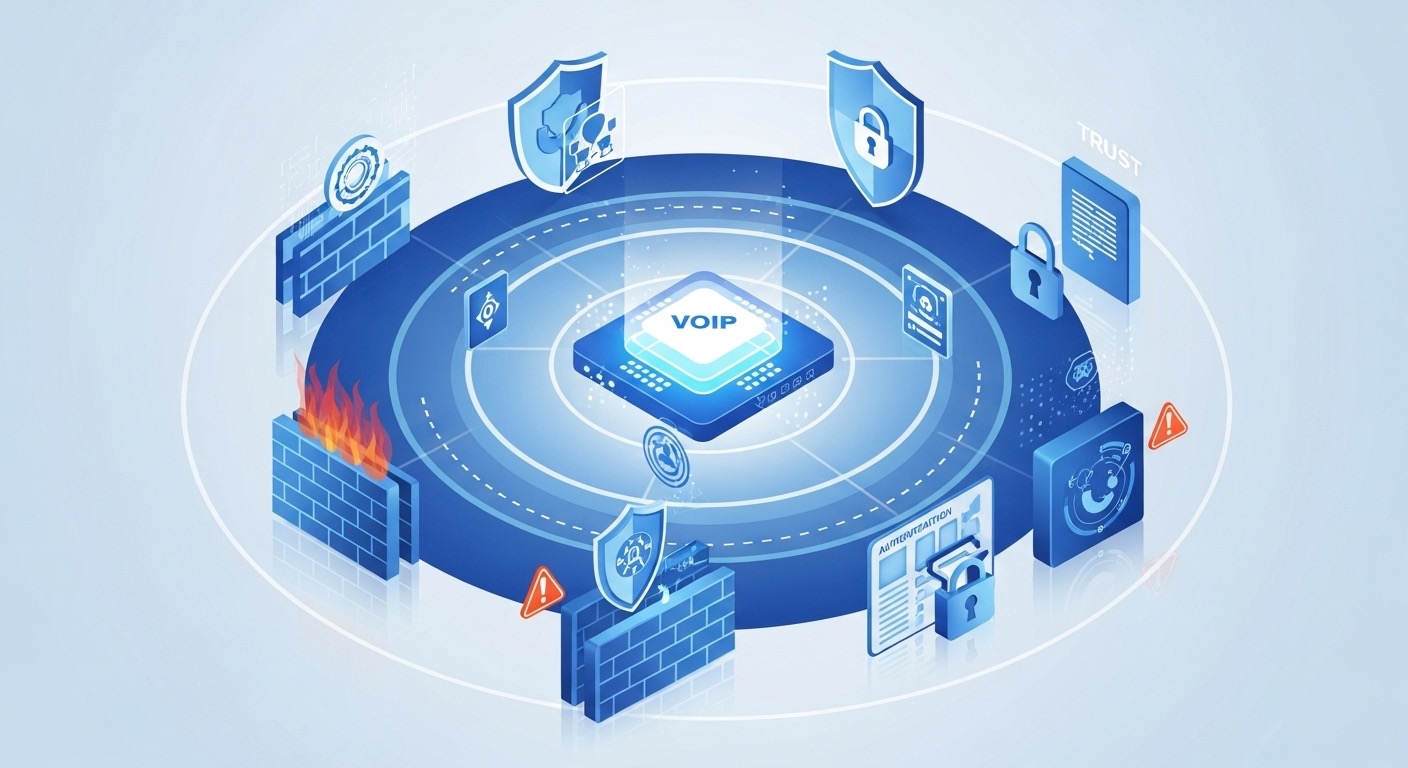
Together, these strategies form a strong foundation for defending your VoIP systems. By combining layered protection with continuous oversight, your organization can stay ahead of evolving threats and maintain the reliability your business depends on.
How to Manage Enterprise SIP Security Effectively
To safeguard against ghost calls and evolving VoIP threats, administrators need a complete security framework that continuously monitors activity, isolates risks, and ensures rapid response when incidents occur. Effective management balances strong protection with the flexibility and uptime your business requires.
Continuous monitoring forms the backbone of VoIP security. Detailed logging of call signaling events, failed authentication attempts, and connection requests allows teams to detect anomalies in real time. Proactive analysis helps identify potential breaches before they escalate into service disruptions or financial loss.
Network segmentation adds another layer of defense by isolating SIP infrastructure from general business systems. This approach limits the reach of any successful intrusion and keeps critical communication services insulated from broader network risks. Implementing a zero-trust model further strengthens protection by verifying every connection request, no matter its origin, and eliminating assumptions of internal safety.
An effective incident response plan ensures your team can act quickly when threats emerge. Documented procedures should outline how to isolate affected systems, assess the scope of compromise, and securely restore operations. Regular testing and review of these plans help identify weak points and improve readiness for real-world attacks.
When managed properly, SIP security frameworks enable dependable, scalable communication that your business can trust.
Are There Any Advanced Protection Technologies for SIP?
As cyber threats grow more sophisticated, protecting your communication systems requires layered defenses. Ghost calls now serve as early indicators of larger, coordinated attacks, making it critical for IT teams to use intelligent tools that detect and respond before damage occurs. Advanced SIP trunking features integrate these protections directly into your communication framework, strengthening resilience at every level.
Machine learning systems can analyze call behavior across your network to establish normal activity patterns. When deviations occur, such as unusual SIP INVITE messages or sudden traffic spikes, automated alerts notify administrators of potential ghost call activity or other anomalies. These AI-driven systems continuously adapt, identifying new tactics that traditional security tools might overlook.
Integrating threat intelligence feeds adds another layer of proactive defense. By referencing real-time data on known malicious IP addresses and attack methods, your systems can automatically block high-risk sources before ghost calls or fraudulent activity begin. Behavioral analytics also help detect internal risks, such as compromised accounts or unusual access patterns that could indicate insider threats.
To maintain uptime during large-scale attacks, distributed denial of service (DDoS) protection can distinguish legitimate traffic from malicious floods. Calls continue uninterrupted even during high-volume events designed to disrupt communication.

Companies that leverage these advanced protections gain the ability to anticipate and prevent ghost call threats while maintaining clear, reliable, and secure communications across their SIP networks.
Effective Incident Response and Recovery for Ghost Call Attacks
Even with strong prevention measures in place, every organization must be prepared to respond quickly and confidently when security incidents occur. SIP ghost call attacks can signal deeper vulnerabilities within your infrastructure, making a clear and tested response plan essential for minimizing disruption and maintaining VoIP security.
When suspicious activity is detected, the first step is isolation. Disconnect affected systems from the network to contain potential breaches while preserving logs and call data for forensic analysis. Detailed documentation helps identify how the intrusion occurred and which systems were impacted.
Once containment is achieved, focus on recovery and restoration. Rebuild affected components using verified configurations and updated credentials to eliminate lingering vulnerabilities. Reassess firewall rules, SIP authentication settings, and monitoring alerts to ensure stronger protection moving forward.
Post-incident reviews are equally important. Analyzing response effectiveness allows your team to refine procedures, close security gaps, and strengthen readiness for future threats. Documenting lessons learned improves technical resilience and builds confidence in handling complex VoIP security events.
A well-structured response plan transforms potential crises into controlled recoveries, keeping your communications secure, reliable, and ready for what’s next.
How to Choose Security-Focused SIP Providers for Ghost Call Protection
Selecting the right provider plays a critical role in maintaining network integrity and preventing ghost calls in SIP systems. The provider you choose should act as a partner in safeguarding your communications with built-in tools, proactive monitoring, and expert support.
When evaluating potential partners, look for those with proven security-focused SIP trunk strategies that include advanced encryption, fraud detection, and real-time threat response. Providers that actively monitor for suspicious traffic patterns, such as automated ghost call attempts or irregular signaling behavior, can stop attacks before they impact your operations.
Comprehensive security features should extend from endpoint to cloud, including TLS and SRTP encryption, session border controllers, and behavioral analytics. The best providers offer detailed reporting, so administrators have clear visibility into call traffic and system health.
Finally, review service level agreements (SLAs) closely. Strong SLAs should specify response times, incident management protocols, and uptime guarantees, ensuring accountability when security events occur. These commitments demonstrate a provider’s dedication to reliability and protection, not just performance.
Partnering with the right SIP provider gives your organization the expertise and technology foundation needed to maintain resilient, secure, and high-quality communications.
Frequently Asked Questions
How can I identify ghost calls targeting my SIP system? Ghost calls typically display unusual caller ID numbers, resulting in silent connections when answered. Monitor call logs for frequent calls from non-standard numbers, especially during off-hours, and check for failed authentication attempts in system logs.
What immediate steps should I take if experiencing SIP ghost calls? Change your SIP port from default 5060, enable IP address authentication, and review firewall settings to block unauthorized connections. Contact your provider to report incidents and implement call pattern monitoring for ongoing protection.
Are cloud or on-premise SIP systems more vulnerable to phantom calls? Both deployment models face unique risks. Cloud systems may have shared vulnerabilities affecting multiple customers, while on-premise systems provide potential internal network access. Implement appropriate security controls regardless of deployment model.
What investment is required for effective ghost call prevention? Prevention costs vary based on complexity and requirements. Basic protections like port changes and firewall configurations may cost nothing, while advanced solutions like Session Border Controllers require monthly fees. Investment remains minimal compared to potential fraud losses.
Secure Your Communications with Professional SIP Services
SIP ghost calls are serious security threats requiring comprehensive protection strategies and continuous vigilance. Modern threats demand updated security practices addressing sophisticated attack methodologies while maintaining reliable business communications. Organizations implementing robust security controls, maintaining current systems, and partnering with security-focused providers effectively protect against these threats while leveraging VoIP technology benefits.
Professional SIP services provide essential expertise and infrastructure for maintaining secure communications in challenging threat environments. Get started with SIP.US to implement enterprise-grade security features protecting business communications from ghost calls and evolving VoIP security threats.

Mitch leads the Sales team at BCM One, overseeing revenue growth through cloud voice services across brands like SIPTRUNK, SIP.US, and Flowroute. With a focus on partner enablement and customer success, he helps businesses identify the right communication solutions within BCM One’s extensive portfolio. Mitch brings years of experience in channel sales and cloud-based telecom to every conversation.
Free SIP Trunk in 60 Seconds
Related Posts

What Is a DID Number? Direct Inward Dialing Explained
Unlock the potential of your communication system with our Beginner’s Guide to DID Numbers and SIP Trunks, offering cost-effective, scalable solutions for modern businesses and individuals.

What Is SIP? A Complete Guide to Session Initiation Protocol
Discover everything about SIP and how it revolutionizes communication. Learn what is SIP, its benefits, and how to implement it in your business for better connectivity.

What Is Internet Protocol? IP Definition and How It Works
Internet protocol is the addressing and routing system that gets every business call, email, and…